Welcome to “Falling Into Place,” a project dedicated to empowering young people to transform their local communities and make their voices heard!
This initiative aims to co-create resources for youth workers and rural youth to connect with their surroundings, shape public spaces, and build stronger, more vibrant communities. The core purpose of this project is to foster democratic values at the local level by engaging young individuals in collaborative placemaking and creative arts methods.
ABOUT THE PROJECT
Falling Into Place Project: What’s It All About?
“Falling Into Place” is a dynamic initiative where young people actively shape their local spaces and ensure their perspectives are integrated into community development.
This project emphasizes “co-creation,” meaning that all changes and initiatives are developed and implemented collaboratively, ensuring that young people are not just beneficiaries but active participants in the process.
The overarching goal is to strengthen local communities and democratic values through engaging and creative activities. A particular focus is placed on rural areas, where opportunities for youth engagement might be more limited, aiming to empower young people in these contexts.
The project pursues several key objectives, all designed to foster active citizenship and community well-being:
This project wouldn’t be possible without the support of the European Union. “Falling Into Place” is proudly funded by the Erasmus+ program, under the Cooperation Partnership in Youth Field Category (KA220-YOU).

Level Up Your Skills: This involves equipping youth workers and young people with innovative methods to transform spaces. The project aims to build the capacity of organizations involved in participatory placemaking, ensuring that skills and knowledge are transferable to a wider audience.
Your Ideas, Your Space: A central goal is to empower young people to bring their creative ideas to life within their communities. This is achieved by directly involving them in the design and implementation of placemaking projects, fostering a sense of ownership, creativity, and civic participation among rural youth.

Team Up for Change: The project seeks to build strong connections between youth groups, local organizations, and municipal authorities. This strengthens partnerships and facilitates the exchange of ideas and best practices, enhancing the support system for placemaking initiatives.

Share the Magic: A crucial element involves developing and sharing practical tools and methodologies for rural placemaking. This ensures that the project’s impact extends beyond the immediate communities involved, providing a scalable model for others across Europe to replicate similar successful projects.
This project wouldn’t be possible without the support of the European Union. “Falling Into Place” is proudly funded by the Erasmus+ program, under the Cooperation Partnership in Youth Field Category (KA220-YOU).
Transforming public spaces
Placemaking is a powerful concept that is both a mindset and a collaborative process. At its heart, placemaking is about transforming public spaces—like parks, town squares, or even empty buildings—into vibrant, inviting places where people genuinely love to gather, connect, and feel a sense of belonging.
Democratic Values and Practices
The methodology itself serves as a vehicle for democratic education, enabling communities to practice self-governance through their shared spaces.
When did it start?
In the 1960s, Jane Jacobs and William H. Whyte proposed designing cities with people in mind, highlighting the social and cultural significance of lively neighborhoods and welcoming public spaces. Jacobs’ concept of “eyes on the street” encouraged community involvement in street ownership, while Whyte identified key elements for vibrant public social life. Drawing on these principles, since 1975, Project for Public Spaces has developed a comprehensive Placemaking approach.
Sense of Ownership
By involving community members in shaping their environment, placemaking cultivates a profound sense of ownership, enhances civic engagement, and strengthens local bonds.
Community Needs
This deep engagement ensures that the spaces truly respond to the community’s needs and aspirations. It is a collective endeavor, bringing together young people, community members, and local leaders to work as a team.
How does it work in practice?
Placemaking can be defined as a process and a philosophy. It is centered around observing, listening to, and asking questions of the people who live, work, and play in a particular space in order to understand their needs and aspirations for that space and for their community as a whole. Working with the community to create a vision around the places they view as important to community life and to their daily experience is key to building a strategy for implementation.
OUR TEAM
“Falling Into Place” is a collaborative effort brought to life by an incredible team of organizations from across Europe. These partners are not only experienced but also deeply passionate about youth work and community building, each bringing unique strengths to the table.

This diverse combination of strengths is a deliberate choice, ensuring a multi-faceted approach to rural placemaking. It allows the project to address not only the physical aspects of space but also crucial elements like social cohesion, democratic participation, and environmental sustainability. This comprehensive approach creates a robust and adaptable model, capable of learning from varied challenges and successes across different European contexts.
A significant advantage of this collaboration is that most partners already possess established physical spaces and existing relationships with municipalities and local communities. For instance, FACK operates the “FACKtory,” VKC manages a network of 16 cultural centers, SDK works with the Çankaya Municipality and APICE manages “Il Paguro”.
Building upon these existing foundations significantly increases the likelihood of the project’s success and long-term sustainability. This approach underscores that the project is not merely theoretical; it is deeply rooted in practical, ongoing community work, which enhances its impact and resilience against the common challenge of initiatives ceasing once initial funding concludes.
CAPACITY BUILDING PROGRAM
Training course in Weimar
Training course in Marcinkonys
Youth Exchange in Reggio Calabria
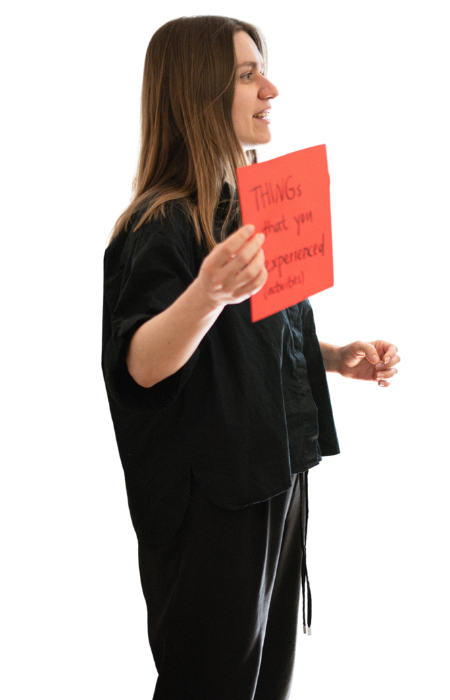
Our Tools and Resources
- Local Alliance Building (LAB) activities and In-Depth Needs Assessment Research Summary Report
- Digital Map of Initiatives
- Competence Framework
- Pedagogical Toolkit for Local Co-Creation Programs
TEST-BED SITES

The project “Falling Into Place: Capacity-Building of Youth Workers in Participatory Placemaking & Creative Arts Methods in Rural Contexts, as a tool to build Democratic values at the local level,”” is funded by the European Commission under the Erasmus+ programme.